Personable
Machines.
Designing sentience in everyday things. How little does a machine need to feel alive?
Why a lamp?
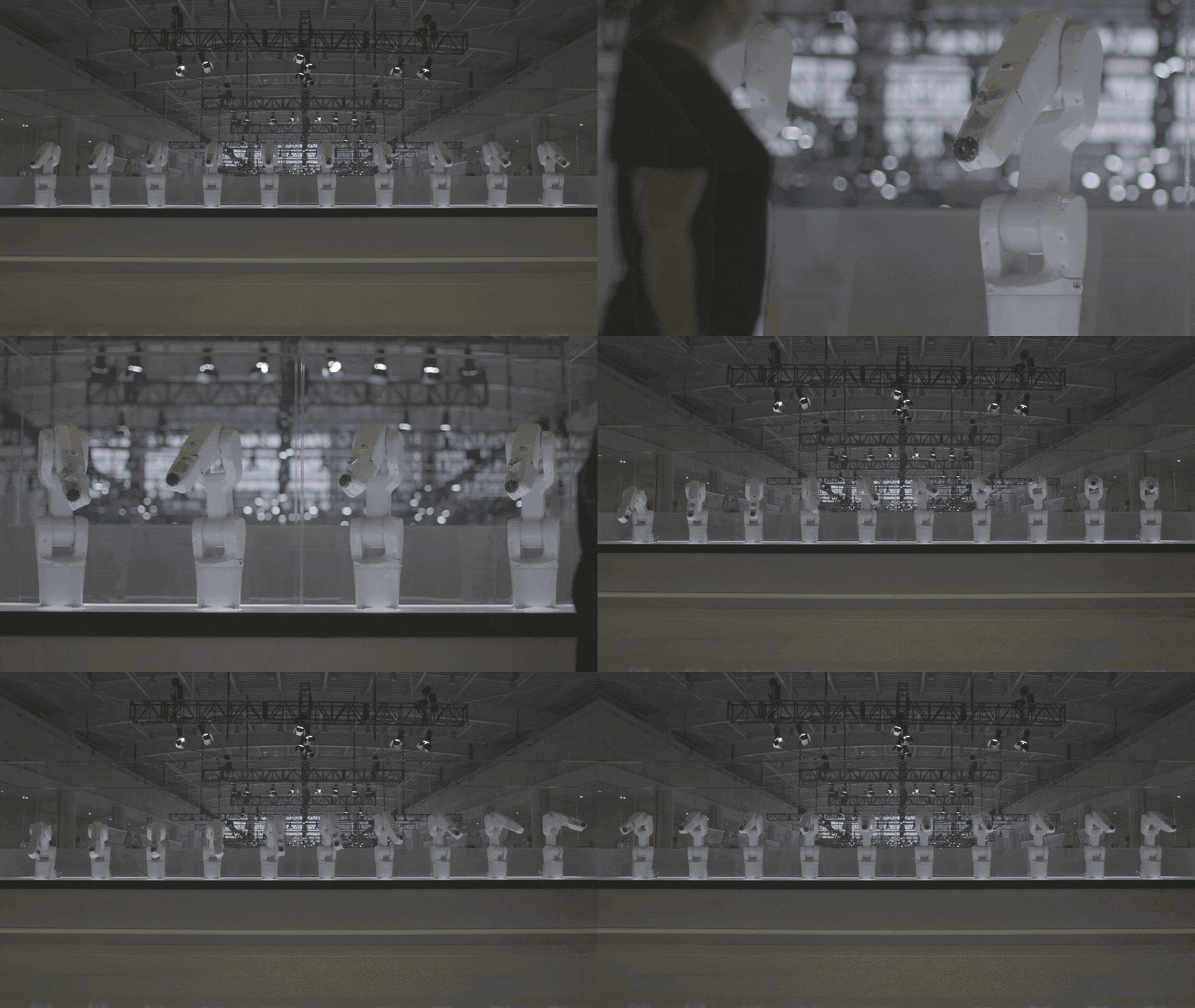
What's something I can teach — in one hour — that's applicable to every talent in this room? I'm known for taming big, industrial beasts of machines to follow you around like an excited puppy. That's out of scope for today. But I can teach you my tricks for enchanting everyday objects to life.
And this isn't just for designers and makers. Maybe you're in operations, or administration, or strategy — and the autonomous things you encounter aren't ones you designed. They're delivery robots in our halls, self-driving cars on our streets, LLMs in our inboxes. Understanding the layers of stimulus and response inside these machines is becoming a critical skill for everyone.
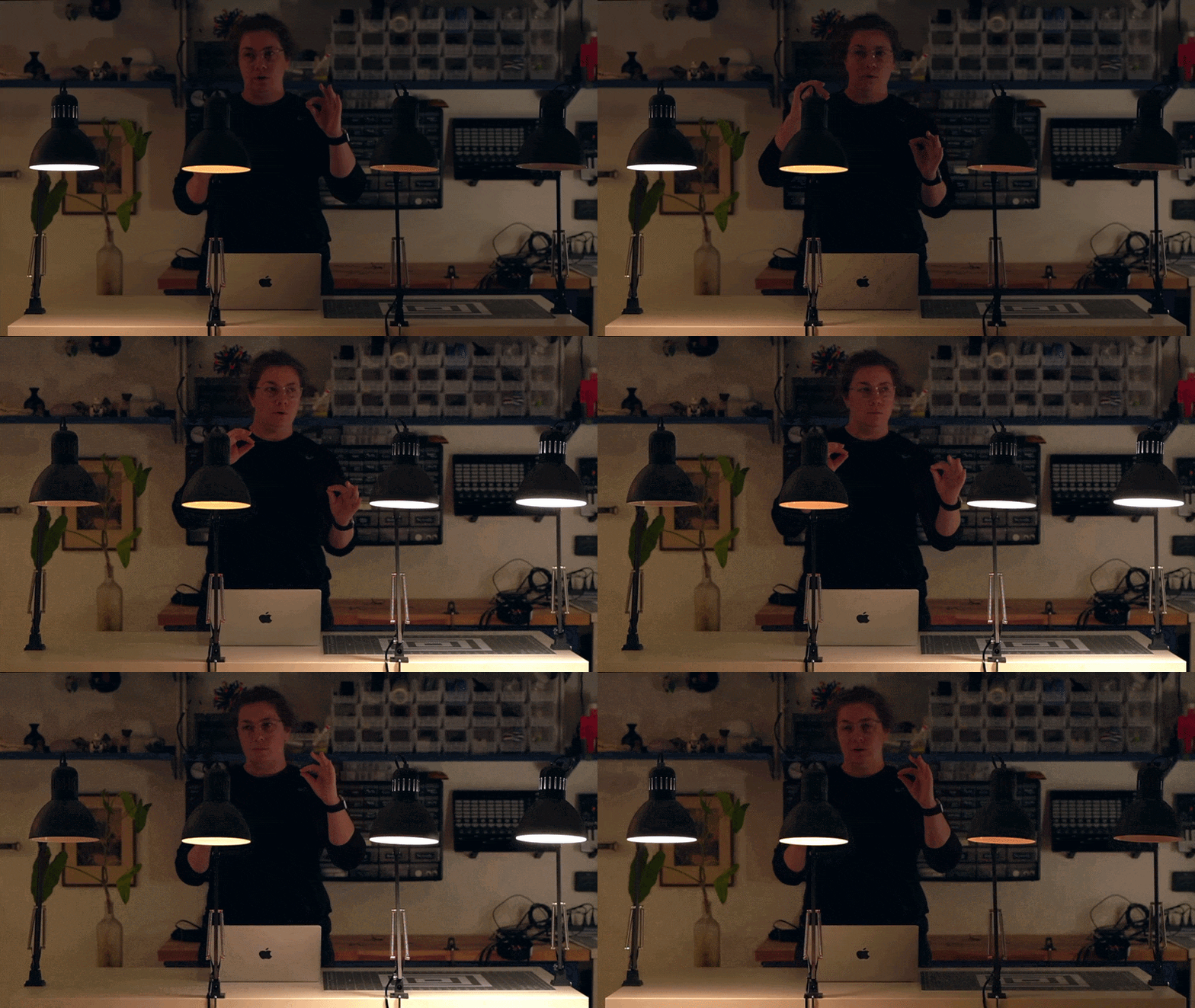
So: what's the simplest machine that can still feel alive? A lamp. One output — brightness. No face, no voice, no articulated body. It turns out to be exactly where Pixar and the Eameses intersect.
 Expression
 Constraints
Motion is everything.
Motion is the primary carrier of animacy: we don't need a face; we don't need a voice. If somethings moves in our space, we are hard-wired to see it as alive.
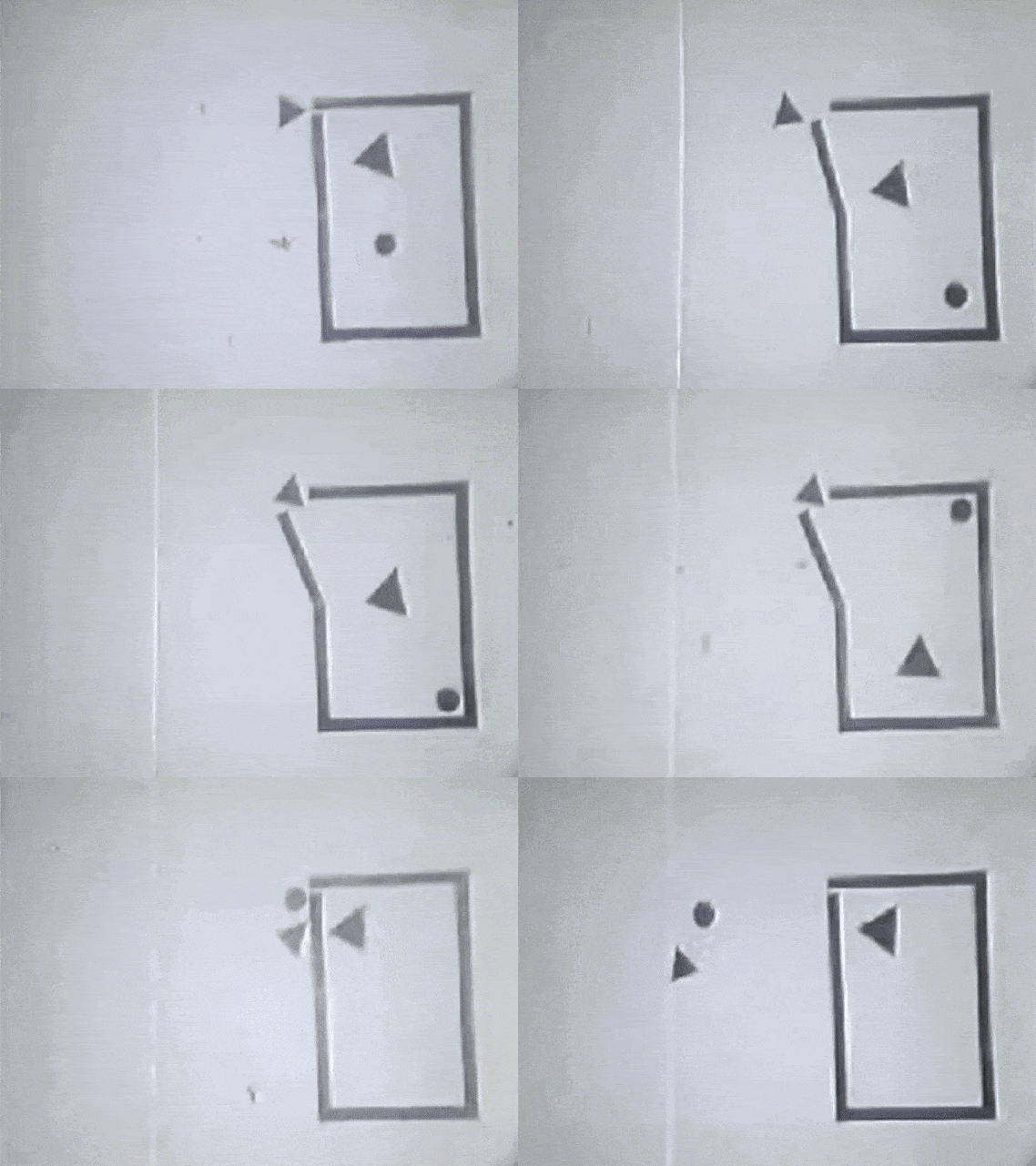
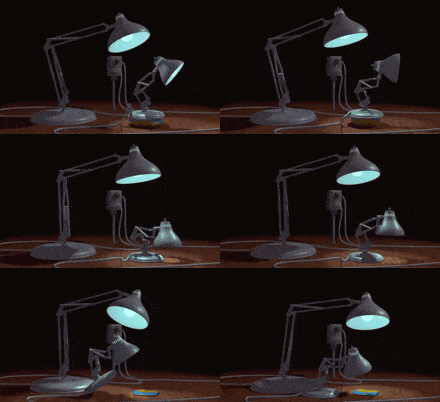
Our Challenge: funnel the totality of human personality down to a single number: the voltage we send to the lamp.
Synthesizers and motion graphics solved this problem decades ago: use a curve to describe how a value changes over time. That curve is called an envelope, and it gives us four controls:
- Attack. How quickly the brightness ramps up — a slow swell or an instant snap.
- Sustain. How bright the lamp gets at its peak — the ceiling of the curve.
- Hold. How long it stays at peak brightness before fading.
- Release. How quickly the brightness fades back to zero.
Motivation & Agency.
A lamp is not a living thing. However, it can still have its own internal motivation (what it wants from the world) and external agency (how it acts on the world).
Each of my robots are modeled with these primitives: Energy, Attention, Curiosity, and Boredom. These are strong behavioral motivators seen at every scale of life, and can be abstracted into two things: stimulus and response.
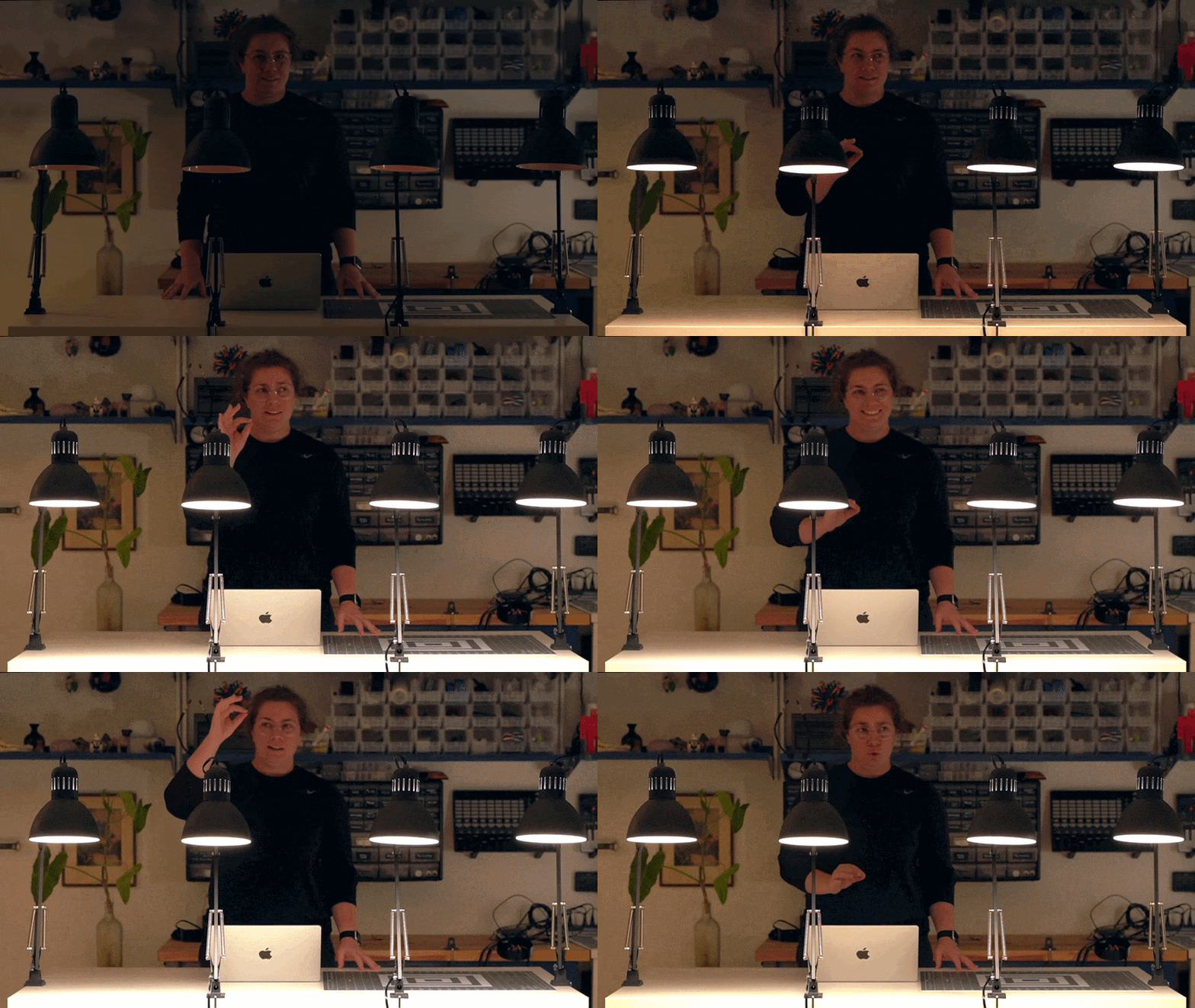
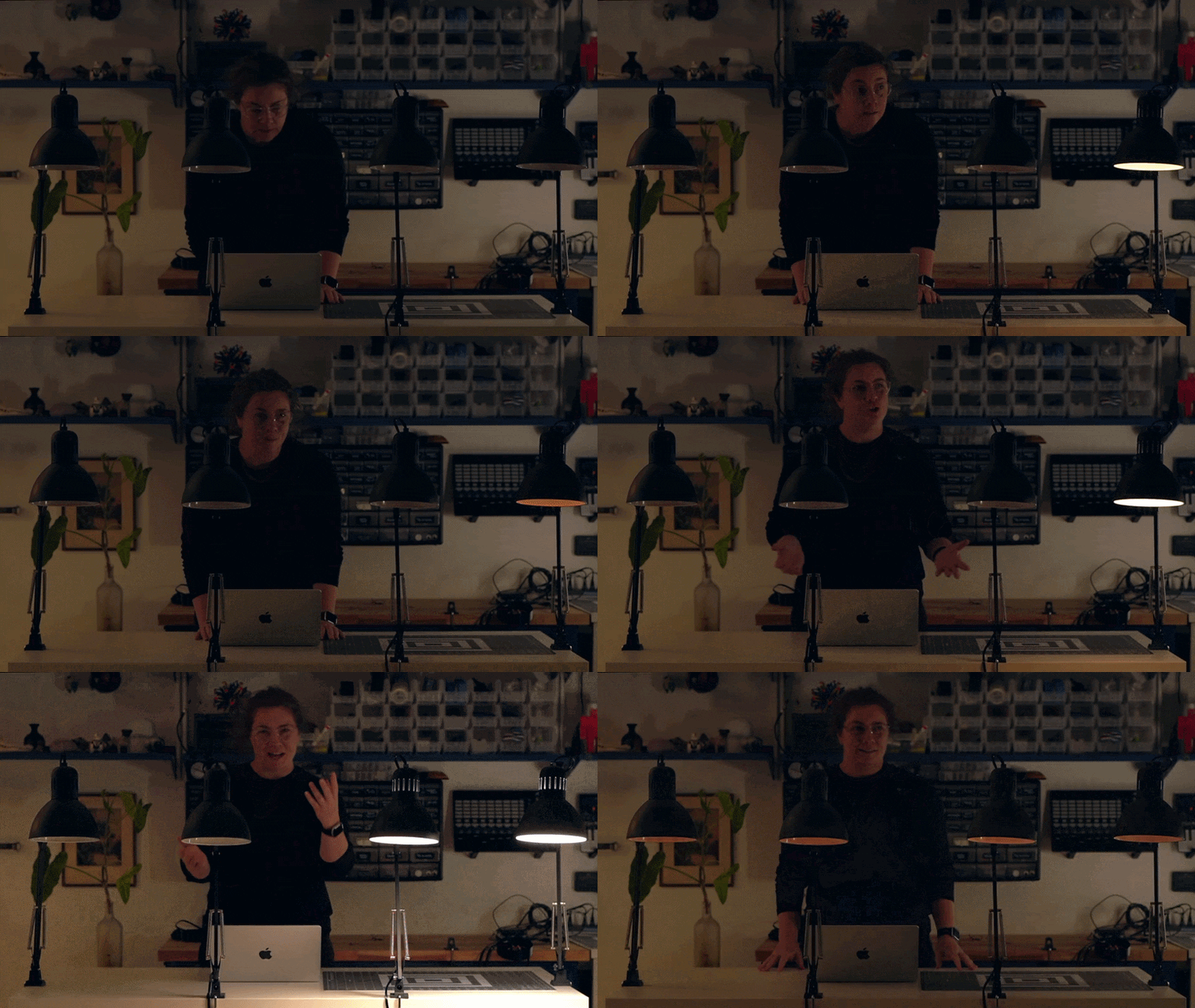
Let's look how we can model the lamp's internal Energy. A stimulus add to the lamps energy. Stop stimulating, and the energy decays. However, continue interacting, charging up its energy until it has enough: it hits a threshold and is awake enough to wake up the rest of the group.
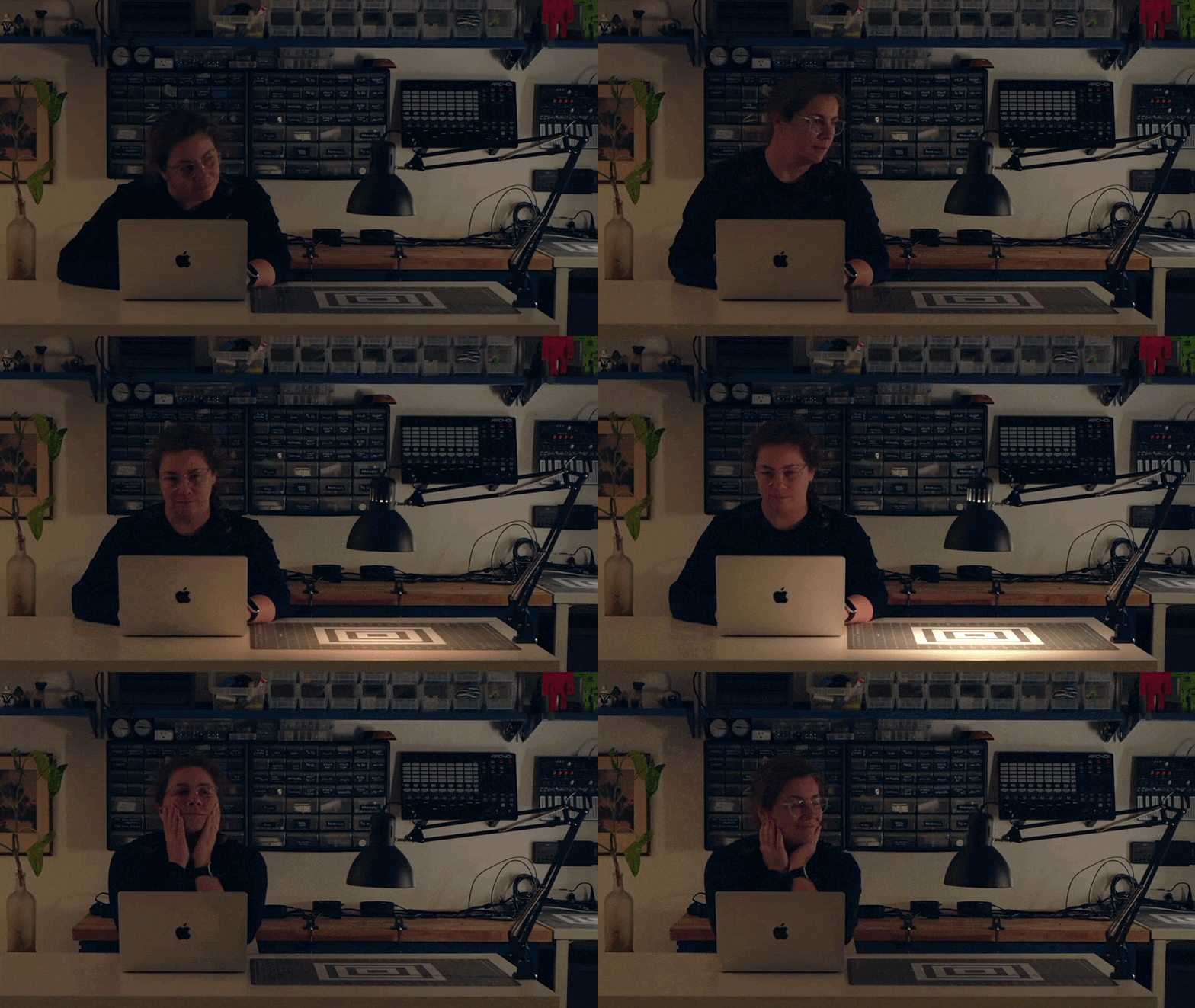
Agency is how the lamp acts on the world. With enough internal motivation — boredom, restlessness — the lamp starts to play. It might play games with you, even when all you want is for it to work.
Group behaviors.
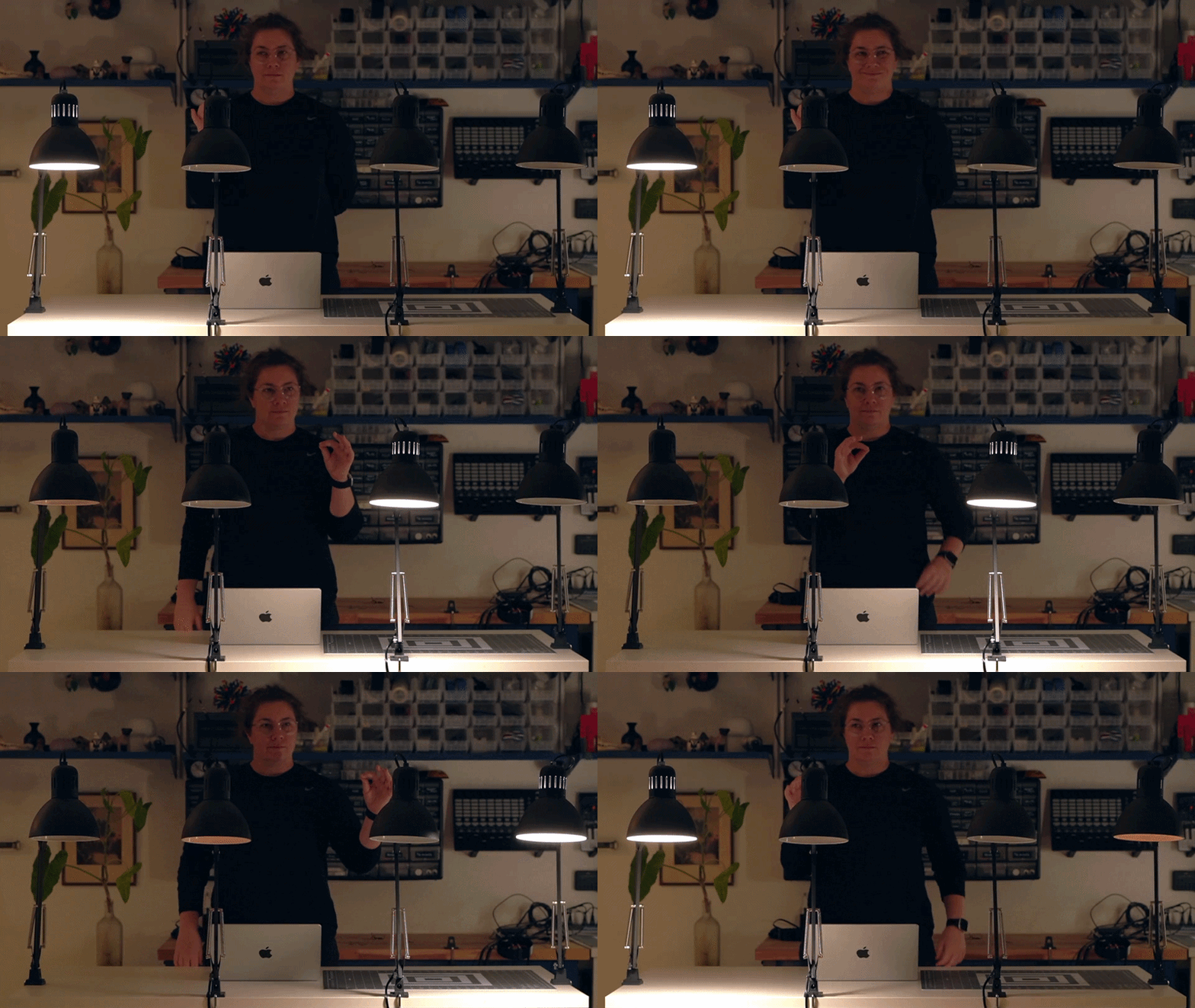
Most objects in our home are designed in isolation — as if they exist in a vacuum. However, we now can give our things an awarenessof each other and where they exisit in the world.
I often use group behaviors to amplify the perceived intelligence of simple mechanical creatures. My Motion Behaviors are generative: a mix of physics simulation and local rules that results in a surprisingly dynamic system.